Integrating Volatility Assessments into Progressive Jackpot Funding Models for Slot Networks
Written by Frankie Keller · Jul 7, 2026
Integrating Volatility Assessments into Progressive Jackpot Funding Models for Slot Networks
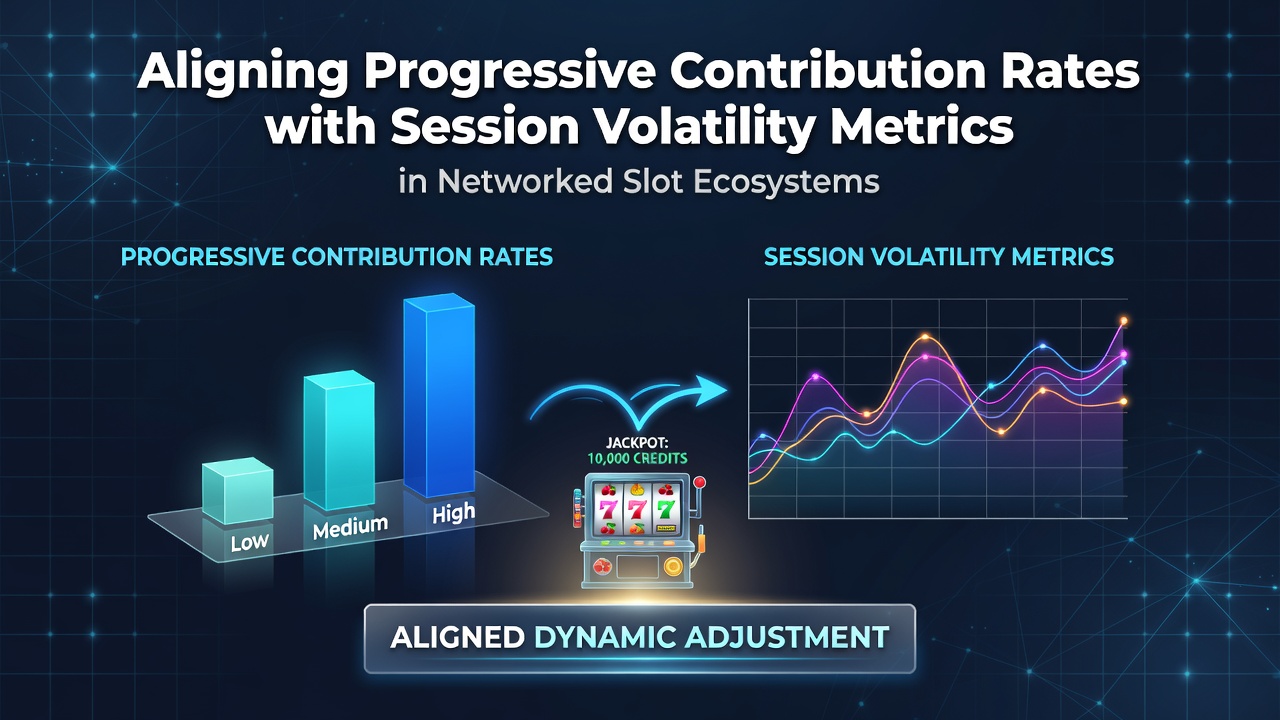
Networked slot ecosystems connect machines across multiple venues and operators so that progressive jackpots accumulate from combined player activity, and contribution rates determine how much of each wager feeds into those growing prize pools. Session volatility metrics track the frequency and size of wins within individual play periods, allowing systems to adjust those contribution percentages dynamically based on observed patterns.
Core Components of Progressive Funding in Connected Environments
Progressive contribution rates typically range from 1 to 5 percent of each bet in standard configurations, yet networked setups require calibration because player traffic flows across jurisdictions and time zones simultaneously. Data from multi-site platforms shows that contribution levels influence both jackpot growth speed and player retention when volatility shifts occur within sessions. Operators monitor average bet sizes, spin counts, and payout distributions to establish baseline metrics before any rate adjustments take effect.
Researchers at institutions such as the University of Nevada, Reno have examined how contribution percentages interact with game mathematics in linked environments, and their findings indicate that mismatched rates can lead to either overly rapid jackpot inflation or prolonged periods without noticeable growth. Those studies emphasize the need for real-time data feeds that capture volatility indicators like standard deviation of returns per 100 spins.
Session Volatility Measurement Techniques
Volatility metrics in slot sessions rely on statistical models that calculate dispersion around expected return percentages, and systems often categorize games into low, medium, or high volatility tiers based on historical performance across thousands of player sessions. Networked platforms aggregate this information from participating sites so that a single high-volatility session detected in one location can prompt contribution rate tweaks for linked machines elsewhere. Software providers integrate these calculations through APIs that update every few minutes during peak hours.
Figures from industry reports compiled by Gaming Laboratories International reveal that volatility spikes frequently coincide with bonus round activations or clustered small wins, creating opportunities for contribution rates to scale upward temporarily without disrupting overall player experience. Systems achieve this scaling by referencing predefined thresholds tied to rolling averages of session length and payout clustering.
Practical Alignment Methods Across Networks
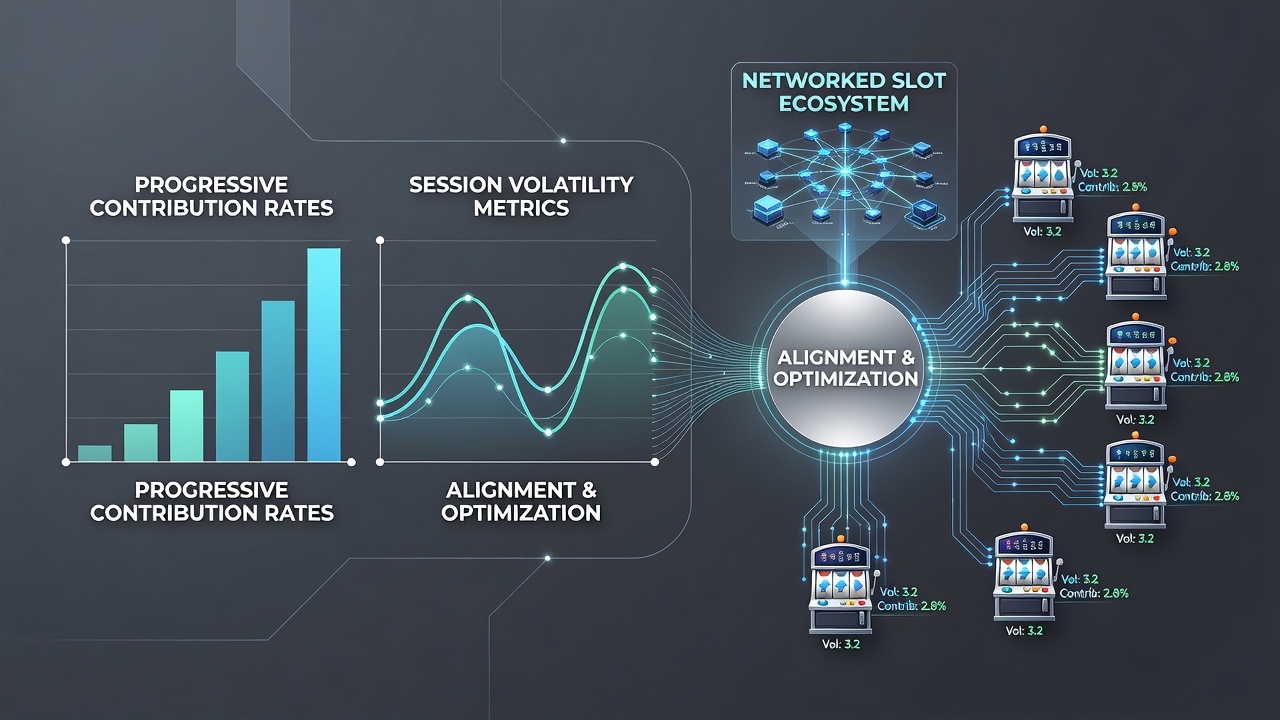
Alignment begins with mapping each game's volatility profile against current contribution settings, and operators then apply weighted formulas that increase or decrease the percentage contributed during high or low volatility periods. For instance, when session data indicates elevated variance, contribution rates may rise modestly to accelerate jackpot growth while the system anticipates larger potential payouts. Conversely, during extended low-volatility stretches, rates can ease downward to preserve player bankrolls and maintain engagement levels.
One documented approach used in Australian gaming networks involves tiered adjustments that activate at specific volatility thresholds measured over 500-spin windows, and similar frameworks appear in North American multi-state progressive systems. These methods rely on continuous data streams rather than static rules, allowing contribution levels to respond to actual session conditions instead of fixed schedules.
Regulatory and Technical Considerations Emerging in 2026
By July 2026 several regional authorities outside the UK had begun requiring operators to document how volatility metrics influence progressive funding decisions, and compliance frameworks now include audit trails that log every rate change alongside corresponding session data points. Technical standards from organizations such as the European Gaming and Betting Association encourage interoperability between different platform providers so that volatility signals transmit reliably across borders. Implementation requires robust encryption and latency controls because delayed adjustments can create imbalances in jackpot accumulation rates.
Case examples from Canadian provincial networks demonstrate that synchronized contribution adjustments reduced instances of jackpot stagnation during low-activity periods, while American state-level pilots reported steadier player participation when rates aligned closely with observed volatility trends. These outcomes stem from systematic testing rather than isolated trials, and the data continues to inform refinements in algorithmic models.
Conclusion
Aligning progressive contribution rates with session volatility metrics represents an operational shift in how networked slot ecosystems manage jackpot funding and player dynamics. The integration of real-time statistical measures enables more responsive systems that adapt to actual play patterns across connected environments. Continued development in this area depends on consistent data standards and cross-platform coordination among operators and technology providers.